Witchcraft Traditions Around the World: A Guide
- Crows Moon
- 3 hours ago
- 4 min read
Witchcraft has fascinated humanity for centuries, weaving its way through cultures and histories across the globe. From ancient rituals to modern practices, the various traditions of witchcraft offer a rich tapestry of beliefs, customs, and spiritual connections. This guide explores some of the most prominent witchcraft traditions around the world, highlighting their unique characteristics and cultural significance.
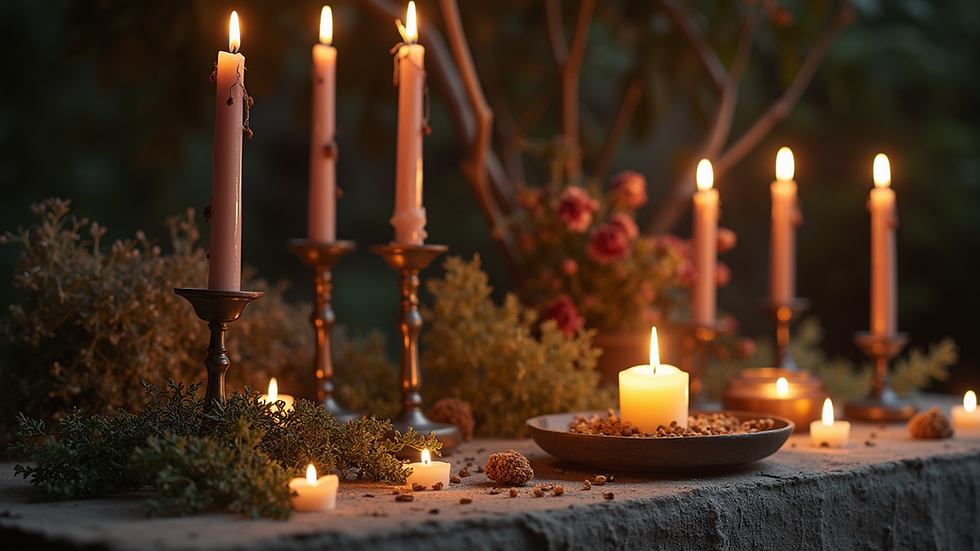
Understanding Witchcraft
Witchcraft is often misunderstood, frequently associated with negative stereotypes and misconceptions. At its core, witchcraft is a practice that involves the use of natural elements, rituals, and spells to connect with the spiritual world. Practitioners, often referred to as witches, may seek to harness energies for healing, protection, or personal empowerment.
Key Elements of Witchcraft
Nature: Many witchcraft traditions emphasize a deep connection to nature. This can include the use of herbs, crystals, and other natural materials in rituals.
Rituals: Rituals play a significant role in witchcraft, often involving specific actions, words, and intentions to manifest desired outcomes.
Beliefs: Each tradition has its own set of beliefs, often influenced by the culture and history of the region.
European Witchcraft Traditions
Wicca
Wicca is one of the most well-known modern witchcraft traditions, founded in the mid-20th century by figures like Gerald Gardner. It is a nature-based religion that honors the Goddess and the God, celebrating the cycles of the moon and the changing seasons.
Practices: Wiccans often perform rituals during the eight Sabbats, which mark seasonal changes. They may also celebrate Esbats, which are rituals held during full moons.
Tools: Common tools include the athame (ritual knife), wand, chalice, and pentacle.
Traditional Witchcraft
Traditional witchcraft refers to various folk practices that have existed in Europe for centuries. Unlike Wicca, these practices are often rooted in local customs and folklore.
Practices: Traditional witches may use charms, spells, and herbal remedies passed down through generations.
Beliefs: Many traditional witches believe in the power of ancestors and the importance of community.
African Witchcraft Traditions
Vodou
Vodou, often misunderstood as "voodoo," is a rich spiritual tradition originating from West Africa and later developing in Haiti. It combines elements of African spirituality with Catholicism.
Practices: Vodou rituals often involve music, dance, and offerings to spirits known as "Loa." Practitioners seek guidance and support from these spirits.
Community: Vodou is deeply communal, with ceremonies often held in groups to strengthen bonds and share experiences.
Ifá
Ifá is a divination system practiced by the Yoruba people of Nigeria. It is based on the teachings of the Orishas, deities that represent various aspects of life.
Practices: Ifá practitioners use a divination tool called the Opele or cowrie shells to communicate with the Orishas and seek guidance.
Cultural Significance: Ifá is not just a form of witchcraft; it is a vital part of Yoruba culture, influencing art, music, and social structures.
Asian Witchcraft Traditions
Shamanism
Shamanism is a spiritual practice found in various cultures across Asia, particularly among indigenous peoples. Shamans act as intermediaries between the physical and spiritual worlds.
Practices: Shamans often enter altered states of consciousness through drumming, dancing, or fasting to communicate with spirits and seek healing.
Cultural Role: Shamans hold significant roles in their communities, often serving as healers, advisors, and spiritual leaders.
Chinese Folk Religion
Chinese folk religion encompasses a variety of beliefs and practices, including ancestor worship, divination, and the veneration of deities.
Practices: Rituals may involve offerings to ancestors, fortune-telling, and the use of talismans for protection and luck.
Integration: Chinese folk religion often integrates elements of Buddhism and Taoism, creating a unique blend of spiritual practices.
Indigenous Witchcraft Traditions
Native American Spirituality
Native American spirituality varies widely among tribes, but many share common elements, including a deep respect for nature and the belief in the interconnectedness of all life.
Practices: Rituals often involve ceremonies, storytelling, and the use of sacred plants like sage and sweetgrass for purification.
Cultural Significance: Spiritual leaders, often referred to as medicine people or shamans, play crucial roles in guiding their communities.
Andean Traditions
In the Andes, indigenous peoples practice a form of spirituality that honors Pachamama (Mother Earth) and the Apus (mountain spirits).
Practices: Rituals may include offerings of coca leaves, music, and dance to connect with the spirits of nature.
Cultural Heritage: These practices are deeply rooted in the history and culture of the Andean people, reflecting their relationship with the land.
Modern Witchcraft Movements
Eclectic Witchcraft
Eclectic witchcraft is a contemporary practice that draws from various traditions and beliefs. Practitioners often create personalized paths that resonate with their individual spiritual journeys.
Practices: Eclectic witches may combine elements from Wicca, folk magic, and other spiritual systems to create unique rituals and spells.
Community: Online communities and social media have fostered connections among eclectic witches, allowing for the sharing of ideas and practices.
Kitchen Witchery
Kitchen witchery focuses on the magical aspects of cooking and home life. Practitioners believe that everyday activities can be infused with intention and magic.
Practices: Kitchen witches often use herbs, spices, and cooking techniques to create meals that nourish both body and spirit.
Philosophy: This tradition emphasizes the importance of mindfulness and gratitude in daily life.
Conclusion
Witchcraft traditions around the world offer a diverse array of practices, beliefs, and cultural significance. From the structured rituals of Wicca to the communal ceremonies of Vodou, each tradition provides a unique lens through which to explore spirituality and connection to the natural world. Whether you are drawn to the ancient practices of indigenous peoples or the modern adaptations of eclectic witches, there is a rich heritage waiting to be discovered.
As you explore these traditions, consider how they resonate with your own beliefs and practices. Embrace the opportunity to learn, connect, and grow in your spiritual journey.


Comments