Exploring Modern Witchcraft: Rituals and Beliefs
- Crows Moon
- 3 hours ago
- 4 min read
Witchcraft has evolved significantly over the centuries, transforming from a misunderstood practice often associated with fear and superstition into a vibrant spiritual path embraced by many today. Modern witchcraft is not merely about casting spells or brewing potions; it encompasses a rich tapestry of rituals, beliefs, and community. In this blog post, we will delve into the core elements of modern witchcraft, exploring its rituals, beliefs, and the diverse practices that define this fascinating spiritual movement.

Understanding Modern Witchcraft
Modern witchcraft, often referred to as Wicca or simply witchcraft, is a contemporary pagan religious movement that draws inspiration from ancient practices. It emphasizes a deep connection to nature, the cycles of the moon, and the elements. While there are various traditions within modern witchcraft, they share common beliefs and practices that unite practitioners.
Core Beliefs
The Divine: Many modern witches believe in a duality of the divine, often represented as the God and Goddess. This belief reflects the balance of masculine and feminine energies in the universe.
Nature Reverence: Nature is central to witchcraft. Practitioners often celebrate the changing seasons and lunar phases, recognizing the interconnectedness of all living things.
Personal Responsibility: Witches believe in the power of their actions and intentions. The concept of "Threefold Law" suggests that whatever energy a person puts out into the world will return to them three times over, encouraging ethical behavior.
Magic as a Tool: Magic is viewed as a natural force that can be harnessed for positive change. It is not seen as a means to manipulate others but rather as a way to align oneself with the universe.
Rituals in Modern Witchcraft
Rituals are a vital aspect of modern witchcraft, serving as a means to connect with the divine, celebrate life events, and manifest intentions. Here are some common rituals practiced by modern witches:
1. Cleansing Rituals
Cleansing rituals are performed to remove negative energies and create a sacred space. This can involve:
Smudging: Burning sage or other herbs to purify the area.
Salt Baths: Using salt to cleanse the body and spirit.
2. Full Moon Rituals
The full moon is a powerful time for witches to perform rituals aimed at manifestation and release. Common practices include:
Charging Crystals: Placing crystals under the moonlight to absorb its energy.
Journaling: Writing down intentions or things to release, followed by a ceremonial burning of the paper.
3. Sabbat Celebrations
Sabbats are seasonal festivals that celebrate the Wheel of the Year. Each sabbat has its unique significance and rituals. For example:
Samhain: Celebrated on October 31, it marks the end of the harvest season and honors ancestors.
Beltane: Celebrated on May 1, it symbolizes fertility and the coming of summer.
4. Circle Casting
Circle casting is a foundational ritual in witchcraft, creating a sacred space for magical work. This involves:
Calling the Quarters: Inviting the energies of the four cardinal directions (North, East, South, West) and their associated elements (Earth, Air, Fire, Water).
Grounding: Centering oneself to connect with the earth and focus energy.
Tools of the Craft
Modern witches often use various tools to aid in their practices. While tools are not necessary for magic, they can enhance focus and intention. Here are some common tools:
1. Wands
Wands are used to direct energy and intention. They can be made from various materials, including wood, crystals, or metal.
2. Cauldrons
Cauldrons symbolize transformation and are often used for burning herbs or mixing potions.
3. Altar Items
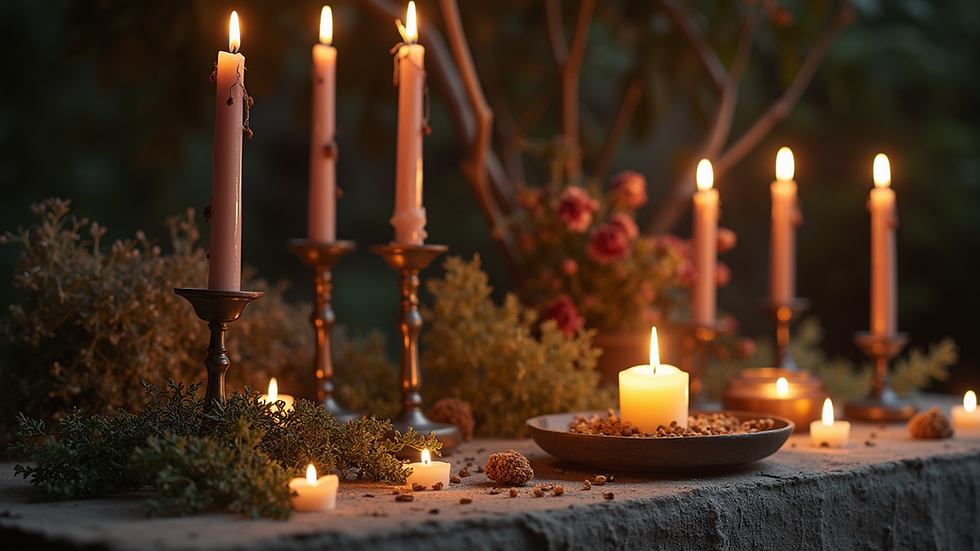
An altar is a personal space for spiritual work, often adorned with:
Candles: Representing elements and intentions.
Crystals: Each with unique properties and energies.
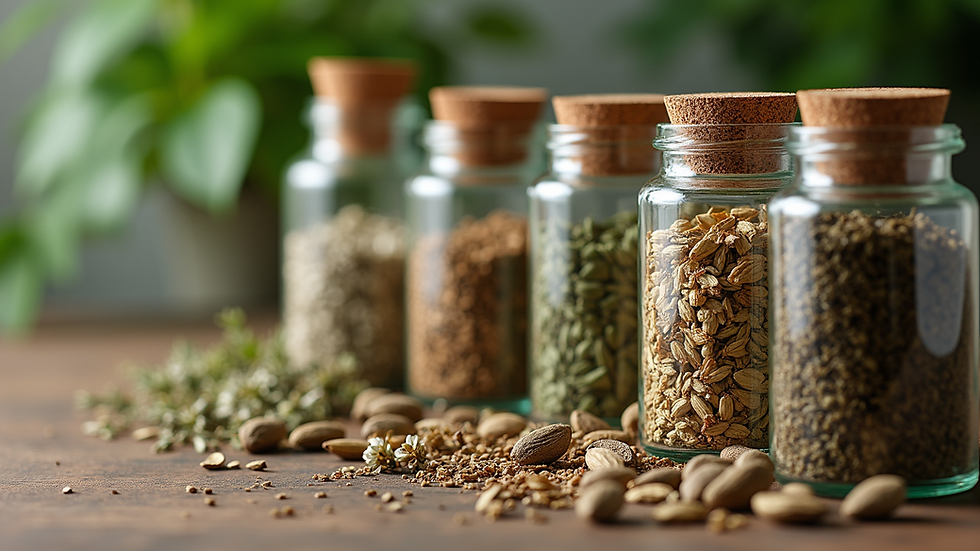
Herbs: Used for spells and rituals.
4. Tarot Cards
Many witches use tarot cards for divination and self-reflection. They provide insights into personal situations and can guide decision-making.
The Role of Community
Community plays a significant role in modern witchcraft. Many practitioners find strength and support in groups known as covens or circles. These communities provide a space for sharing knowledge, celebrating rituals, and fostering friendships.
Benefits of Community
Shared Knowledge: Learning from others can deepen one’s practice and understanding of witchcraft.
Support System: A coven can offer emotional and spiritual support during challenging times.
Collective Energy: Group rituals can amplify intentions and create a powerful atmosphere for magic.
Misconceptions About Witchcraft
Despite its growing popularity, modern witchcraft is often misunderstood. Here are some common misconceptions:
1. Witchcraft is Evil
Many people associate witchcraft with dark magic or malevolence. In reality, most modern witches practice white magic, focusing on healing, protection, and positive change.
2. Witches are All the Same
Witchcraft is diverse, with various traditions and practices. Each witch may have a unique approach, influenced by personal beliefs, cultural backgrounds, and experiences.
3. Witchcraft is Just a Trend
While witchcraft has gained popularity in recent years, it is rooted in ancient practices and beliefs. For many, it is a lifelong spiritual path rather than a fleeting trend.
Conclusion
Modern witchcraft is a rich and diverse spiritual practice that emphasizes connection to nature, personal responsibility, and community. Through rituals, tools, and shared beliefs, practitioners find empowerment and purpose in their lives. Whether you are curious about witchcraft or seeking to deepen your practice, exploring its rituals and beliefs can offer valuable insights and a sense of belonging. Embrace the journey, and remember that the magic lies within you.
Comments