The Power of Herbs in Witchcraft Practices
- Crows Moon

- 3 hours ago
- 4 min read
Herbs have been a cornerstone of witchcraft practices for centuries, serving as powerful tools for healing, protection, and manifestation. Whether you are a seasoned practitioner or just beginning your journey into the world of witchcraft, understanding the role of herbs can enhance your rituals and deepen your connection to nature. This blog post will explore the significance of herbs in witchcraft, how to use them effectively, and some specific examples of herbs that can empower your practices.
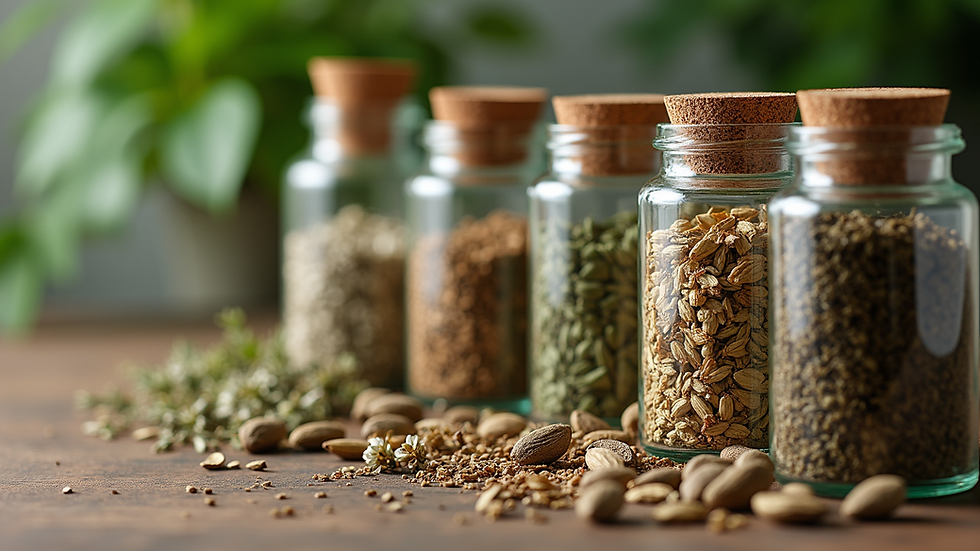
The Historical Significance of Herbs in Witchcraft
Herbs have been used in various cultures around the world for their magical properties. Ancient civilizations, such as the Egyptians, Greeks, and Romans, recognized the power of plants and incorporated them into their spiritual practices.
Egyptians used herbs like frankincense and myrrh in their rituals to honor the gods and for embalming.
Greeks believed in the protective qualities of herbs like rosemary, which was often used in purification rituals.
Native American tribes utilized local plants for healing and spiritual ceremonies, emphasizing the connection between nature and the spirit world.
These historical practices laid the groundwork for modern witchcraft, where herbs continue to play a vital role.
Understanding the Magical Properties of Herbs
Each herb carries its own unique energy and properties, making them suitable for different intentions in witchcraft. Here are some common categories of herbs and their associated magical properties:
Healing Herbs
Healing herbs are often used in spells and potions aimed at physical and emotional well-being. Some popular healing herbs include:
Lavender: Known for its calming properties, lavender can be used in spells for relaxation and stress relief.
Peppermint: This invigorating herb is often used to enhance mental clarity and focus.
Protective Herbs
Protective herbs are used to ward off negative energies and influences. Examples include:
Sage: Commonly used for smudging, sage is believed to cleanse spaces of negativity.
Basil: This herb is thought to provide protection against evil spirits and harmful energies.
Manifestation Herbs
These herbs are used to attract specific desires or intentions. Some examples are:
Cinnamon: Often associated with prosperity and abundance, cinnamon can be added to spells aimed at attracting wealth.
Rose: Symbolizing love and passion, rose petals can be used in rituals to enhance romantic relationships.
How to Use Herbs in Your Witchcraft Practices
Incorporating herbs into your witchcraft practices can be done in various ways. Here are some effective methods:
Creating Herbal Infusions
Herbal infusions are a simple way to harness the power of herbs. To create an infusion:
Choose your desired herb based on its magical properties.
Boil water and pour it over the herb in a heatproof container.
Allow the mixture to steep for 10-15 minutes.
Strain the herbs and use the infusion in your rituals or spells.
Making Herbal Sachets
Herbal sachets are small pouches filled with herbs that can be carried or placed in specific areas for their magical properties. To create a sachet:
Select herbs that correspond to your intention (e.g., protection, love).
Place the herbs in a small cloth pouch.
Carry the sachet with you or place it under your pillow for specific intentions.
Crafting Herbal Oils
Herbal oils can be used for anointing candles, tools, or even yourself. To make herbal oil:
Choose a carrier oil (e.g., olive oil, jojoba oil).
Add dried herbs to the oil in a glass jar.
Seal the jar and place it in a warm, sunny spot for 2-4 weeks, shaking it occasionally.
Strain the herbs and store the oil in a dark bottle.
Specific Herbs and Their Uses in Witchcraft
Here are some specific herbs that are particularly powerful in witchcraft practices, along with their uses:
Mugwort
Mugwort is often associated with dreams and divination. It can be used in dream pillows or burned as incense to enhance psychic abilities.
Yarrow
Yarrow is known for its protective qualities and is often used in spells for courage and strength. It can be added to protective sachets or used in herbal baths.
Chamomile
Chamomile is a gentle herb that promotes peace and tranquility. It can be used in teas for relaxation or added to spells for harmony in relationships.
Dandelion
Often overlooked, dandelion is a powerful herb for manifestation and wishes. The seeds can be blown away while making a wish, symbolizing the release of intentions into the universe.
Ethical Considerations in Using Herbs
As you explore the world of herbs in witchcraft, it is essential to approach their use with respect and mindfulness. Here are some ethical considerations:
Sustainability: Always source herbs responsibly. Consider growing your own or purchasing from ethical suppliers to minimize environmental impact.
Cultural Sensitivity: Be aware of the cultural significance of certain herbs and practices. Research their origins and use them respectfully.
Intention: Always set clear intentions when using herbs. Your mindset can significantly influence the effectiveness of your spells and rituals.
Conclusion
The power of herbs in witchcraft practices is undeniable. By understanding their properties and how to use them effectively, you can enhance your rituals and deepen your connection to the natural world. Whether you are seeking healing, protection, or manifestation, the right herbs can support your intentions and empower your spiritual journey.
As you embark on this herbal journey, remember to approach your practice with respect, mindfulness, and a clear intention. Embrace the magic of herbs and let them guide you on your path. Happy crafting!

Comments